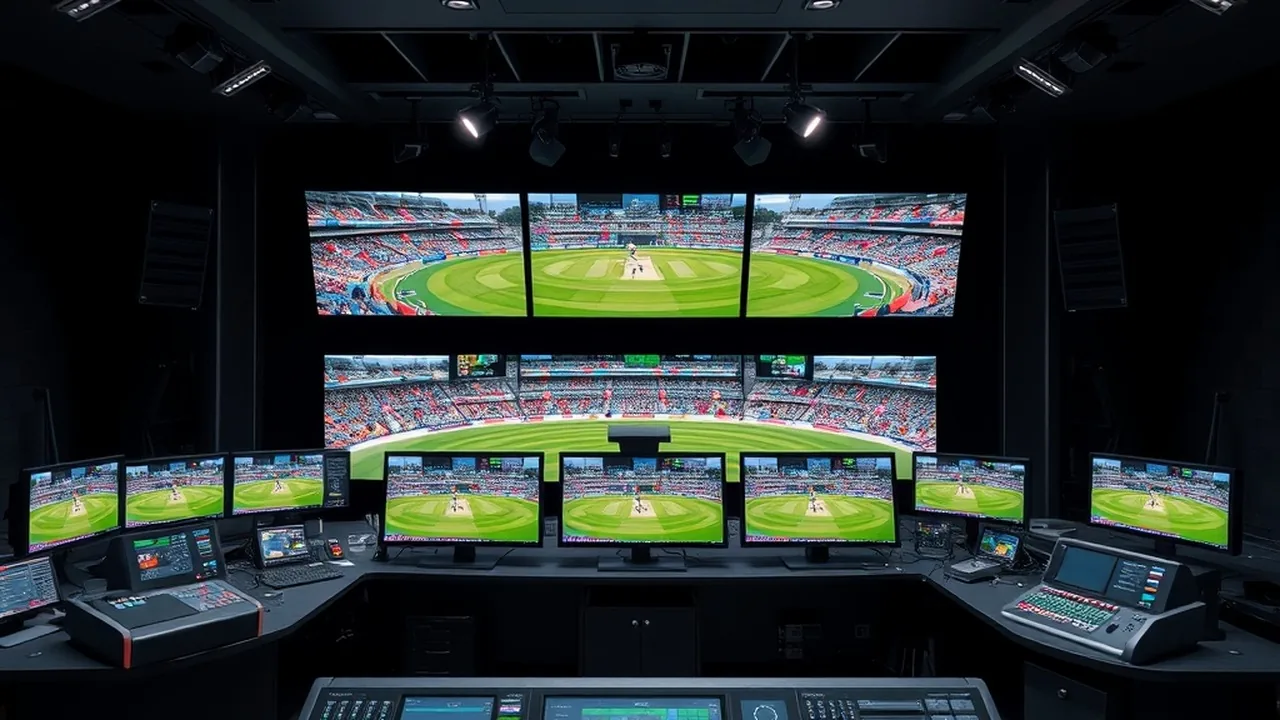
The third season of the Nepal Premier League (NPL 2026) marks a monumental technical transition in Nepali sports broadcasting. For the first time in domestic cricket history, all 32 matches hosted at the Tribhuvan University International Cricket Ground in Kirtipur are being transmitted across a synchronized multi-camera OB (Outside Broadcast) van infrastructure utilizing 4K-native sensors, UltraEdge audio telemetry, and 1080p 60FPS adaptive bitrate feeds distributed over the Nepal Internet Exchange (NPIX).
NPL 2026 Live TV Channel Directory & Digital Stream Directory
📡 Linear Television (Cable & DTH Channels)
- DishHome DTH: Action Sports HD 1 (Ch 105), Action Sports HD 2 (Ch 106)
- NetTV (WorldLink IPTV): Himalaya Sports HD (Ch 108), Action Sports (Ch 109)
- Clear TV: Channel 112 (HD)
- Prabhu TV: Channel 88
- Sky TV: Channel 102
📱 Digital Apps, OTT & Overseas Streamers
- NetTV App: 1080p 60FPS mobile & Smart TV OTT (Free for WorldLink subscribers)
- DishHome Go: Live streaming for verified DishHome DTH & Fibernet users
- Overseas (India/Global): FanCode App & Web portal (Official International Rights)
- NTC Data Pack: Dial *1415# → 4-Hour NPL Streaming Bundle (NPR 49)
- Ncell Data Pack: Dial *17123# → Non-stop NPL Match Pack
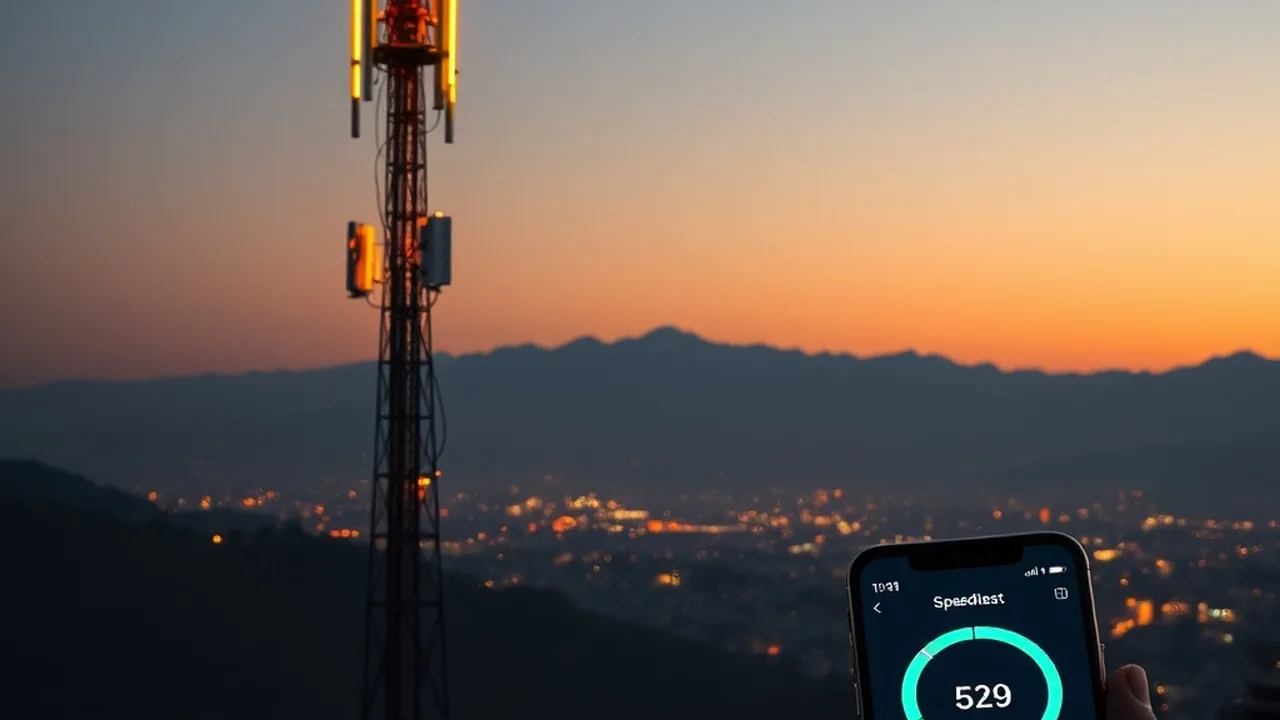
For millions of cricket fans streaming across domestic optical fiber networks (WorldLink, Vianet, Classic Tech, DishHome Fibernet) and mobile data connections (NTC, Ncell 5G), understanding the underlying video codecs, transport latency, and bandwidth economics is critical to avoiding buffering during final-over chases. Here is our comprehensive technical and telemetry breakdown of NPL 2026 broadcasting architectures.
1. Broadcast Architecture: Signal Origination at TU Ground, Kirtipur
The Tribhuvan University Ground in Kirtipur poses distinct operational challenges due to temporary perimeter cabling and unpredictable power fluctuation. The production control unit deploys a multi-tiered transmission architecture:
- Camera Rigging: 18 broadcast-grade Sony HDC-3500 optical fiber system cameras, including two super-slow-motion cameras running at 240 FPS positioned at mid-off and mid-on to track ball-tracking trajectories and front-foot crease breaches.
- Decision Review System (DRS) Telemetry: Uses synchronized high-frame-rate cameras linked to automated optical line-tracking algorithms alongside high-frequency stump microphones to capture acoustic impulse spikes (UltraEdge).
- Uplink Transport: The master control room (MCR) generates an uncompressed 12G-SDI baseband signal. This feed is compressed into high-bitrate HEVC/H.265 master transport streams and distributed via redundant optical fiber backbones with geostationary C-band satellite uplink as failover.
2. Video Compression & Streaming Bitrate Matrix
When consuming live sports over HTTP Live Streaming (HLS) or Dynamic Adaptive Streaming over HTTP (DASH), fast-moving objects (such as cricket balls traveling at 145 km/h and running fielders) generate significant spatial and temporal entropy. Insufficient bitrates result in macroblocking artifacts on the green outfield turf:
| Stream Profile | Resolution & Framerate | Video Codec | Average Video Bitrate | Audio Track | Data per Match (3.5 Hours) |
|---|---|---|---|---|---|
| Ultra High Definition (OTT) | 1080p @ 60 FPS | H.265 / HEVC | 5.2 Mbps | AAC 192 kbps | 8.1 GB |
| Standard High Definition | 1080p @ 30 FPS | H.264 / AVC | 3.8 Mbps | AAC 128 kbps | 5.9 GB |
| Balanced Mobile HD | 720p @ 30 FPS | H.264 / AVC | 2.1 Mbps | AAC 96 kbps | 3.2 GB |
| Data Saver Mobile | 480p @ 30 FPS | H.264 / AVC | 1.1 Mbps | AAC 64 kbps | 1.7 GB |
3. Glass-to-Glass Latency: Why Your Neighbor Cheers 25 Seconds Earlier
One of the most persistent frustrations during live cricket broadcasts is auditory spoilers from neighbors. This is fundamentally a networking latency differential:
Tech Versus: Side-by-Side Compare Engine
Compare GPUs, CPUs, and Flagship Smartphones head-to-head with GSMArena-style specs, gaming FPS benchmarks, and winner verdicts.
- Linear Satellite / Cable TV (DishHome / Action Sports HD): Satellite transponders transmit RF signals at light-speed to ground receivers with minimal processing. Total glass-to-glass latency is 2.8 to 4.2 seconds from the bowler releasing the ball in Kirtipur to the image illuminating a home TV.
- OTT Streaming Apps (NetTV / Web Players): OTT video requires an ingest encoder to segment the video feed into discrete HLS
.tsor CMAF media chunks (typically 2 to 6 seconds each). The client player maintains a minimum safety buffer of 3 chunks to prevent frame stalls during network jitter. Consequently, total OTT stream delay averages 22 to 36 seconds.
4. Domestic ISP Peering & Edge Caching via NPIX
Streaming millions of concurrent concurrent video connections across Nepal could easily overwhelm international transit pipes (such as Bharti Airtel and Tata Communications links running through Bhairahawa and Birgunj).
To safeguard national internet stability, major ISPs (WorldLink, Vianet, DishHome Fibernet, and Subisu) route NPL OTT video traffic directly through local edge caches peering at the Nepal Internet Exchange (NPIX) in Kathmandu and regional transit hubs. When a user in Pokhara or Butwal streams an NPL match, the video packets are fetched from local edge servers within 4 to 12ms round-trip time (RTT), preventing international transit congestion and ensuring buffer-free 1080p playback.
5. Practical Recommendations for Viewers
- For Zero-Spoilers & Lowest Latency: Watch via Action Sports HD or linear cable television rather than web apps if synchronous celebration with the neighborhood matters.
- For Mobile Data Users (NTC / Ncell 5G): Cap stream resolution manually to 720p inside player settings. 1080p60 exhausts a standard daily 5GB data pack before the end of the second innings.
- For Home Wi-Fi Users: Connect Smart TVs via wired Cat6 Ethernet rather than congested 2.4 GHz Wi-Fi channels, which frequently suffer from packet drops during peak evening match hours (4:30 PM to 8:00 PM NPT).