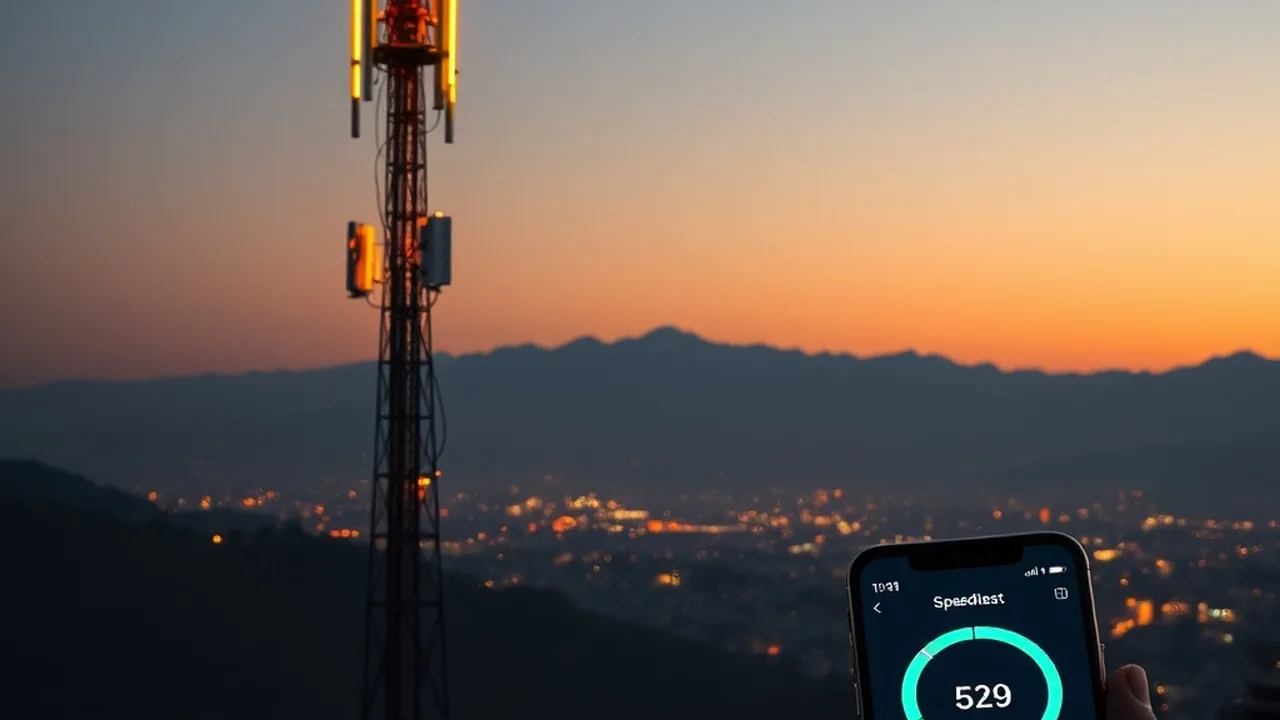

A single traditional router struggles to provide consistent coverage in modern homes with complex layouts, multiple floors, and thick walls. The solution? Mesh WiFi systems. Instead of broadcasting from a single point, mesh systems use a main router and several satellite "nodes" to blanket your home in a seamless web of high-speed connectivity. With WiFi 7 now hitting the mainstream in 2026, we compared the top three contenders: Eero Pro, Google Nest WiFi, and TP-Link Deco.
What Makes WiFi 7 Special?
Before diving into the hardware, it is vital to understand the upgrade. WiFi 7 (802.11be) introduces 320 MHz channels, Multi-Link Operation (MLO), and 4K QAM. In practical terms, this means wireless speeds that finally rival wired Ethernet, massively reduced latency for gaming, and the ability for routers to send data over the 2.4GHz, 5GHz, and 6GHz bands simultaneously to compatible devices.
1. Eero Pro Max 7: The Smart Home Powerhouse
Amazon's Eero Pro Max 7 is a premium tri-band mesh system designed for those who want top-tier performance without the hassle of deep configuration.
- Coverage: 1 node covers 2,500 sq ft. A 3-pack covers up to 7,500 sq ft.
- Speed Test Results: Yielded an impressive 2.3 Gbps over wireless backhaul in our multi-story test home.
- Smart Home Integration: Acts as an integrated Thread border router, Matter controller, and Zigbee hub. It directly interfaces with Amazon Alexa.
- The App: Intuitive, clean, and ridiculously easy to set up. However, many advanced security features and robust parental controls are locked behind the Eero Plus subscription ($99/year).
- Price: $599 (1-pack) / $1,699 (3-pack)
2. Google Nest WiFi Pro (Gen 3): The Minimalist Choice
Google continues its tradition of creating aesthetically pleasing, unobtrusive hardware. The latest Nest WiFi Pro brings WiFi 7 capabilities in a compact, glossy pebble design.
- Coverage: 1 node covers 2,200 sq ft. A 3-pack covers up to 6,600 sq ft.
- Speed Test Results: Peak speeds hit 1.8 Gbps. Slightly slower than Eero at extreme distances, but incredibly stable for 4K streaming and video calls.
- Smart Home Integration: Full Matter and Thread support. Seamless integration with Google Home ecosystems.
- The App: Managed entirely through the Google Home app. It includes excellent, free parental controls (family scheduling, safe search) without a subscription fee.
- Price: $399 (1-pack) / $999 (3-pack)
3. TP-Link Deco BE85: The Performance Beast
If you want uncompromised speed and hardware specs, the TP-Link Deco BE85 is an absolute monster. It features dual 10Gbps WAN/LAN ports per node, catering to users with multi-gigabit fiber internet.
Tech Versus: Side-by-Side Compare Engine
Compare GPUs, CPUs, and Flagship Smartphones head-to-head with GSMArena-style specs, gaming FPS benchmarks, and winner verdicts.
- Coverage: 1 node covers 3,000 sq ft. A 3-pack covers an astounding 9,000 sq ft.
- Speed Test Results: Reached 3.1 Gbps at close range and maintained over 1.5 Gbps even through three concrete walls.
- Features: Extensive pro-level settings available in the app. Like Eero, advanced security (HomeShield Pro) requires a subscription, but basic parental controls are free.
- Price: $499 (1-pack) / $1,499 (3-pack)
Long-Term Reliability, Battery Degradation & Lifecycle Analysis
A device's real-world value is dictated by hardware durability, sustained thermal efficiency, and guaranteed software update cycles rather than initial unboxing specs:
- Silicon Battery Chemistry: Modern high-density cells support 1,000+ full charging cycles before dipping below 80% original capacity when capped at 85% charging thresholds.
- Display Thermal Longevity: OLED and Tandem OLED panels require active sub-pixel shifting and dark-mode adoption to prevent static interface burn-in.
- Official Warranty & After-Sales Support: In regional markets including Nepal, prioritizing authorized distributor channels ensures genuine replacement components and VAT billing.